
Turkey Travel Tips 2026: Everything You Need to Know Before You Go
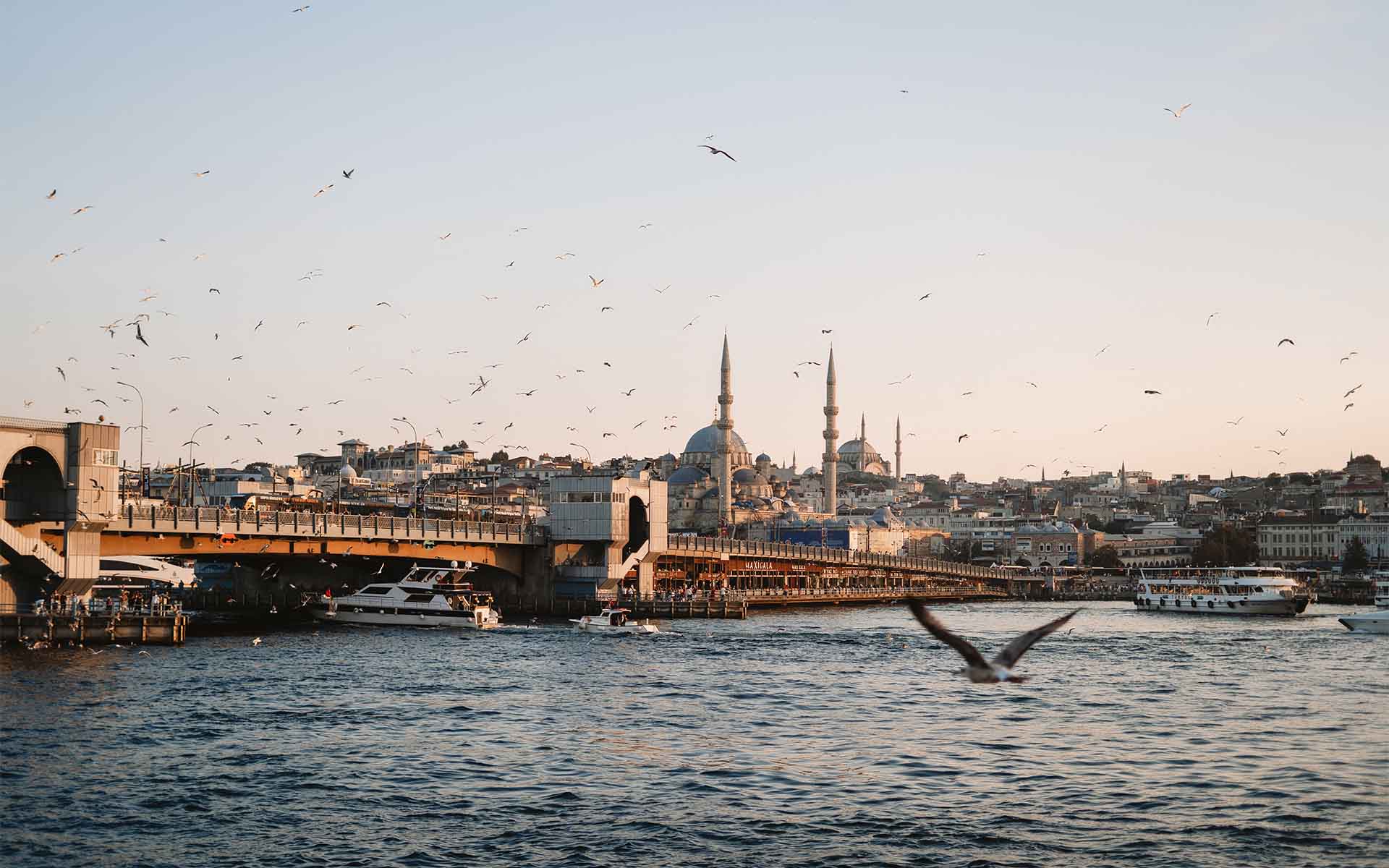
Planning a trip to Turkey? Whether you’re heading to Istanbul for the first time or returning to explore more of this incredible country, a little preparation goes a long way. These Turkey travel tips cover the practical details that make the difference between a stressful trip and a smooth, memorable one — from navigating the metro to knowing when to bargain at the Grand Bazaar.
As a result, we’ve put together this guide based on the questions we hear most often from our guests. At Reminder Tour, we’ve guided thousands of travelers through Istanbul and beyond, and if you’d like a local expert by your side from day one, take a look at our private Istanbul tours. For Spanish-speaking travelers, we also offer guided experiences on our Spanish-language page.
Visa Requirements for Turkey
Before booking your flights, check whether you need a visa. Depending on your nationality, you may be able to enter visa-free, or you may need to apply for an e-Visa online or a regular visa through a Turkish consulate. Not every nationality qualifies for the e-Visa, so it’s worth confirming early.
Furthermore, a few essentials are worth double-checking before departure:
- Your passport must be valid for at least 6 months from your entry date.
- Make sure you have enough blank pages for entry and exit stamps.
- Confirm the allowed length of stay and number of entries for your visa type.
- Carry proof of accommodation, return flight tickets, and travel insurance, as some nationalities are required to show these on arrival.
Where to Stay in Istanbul
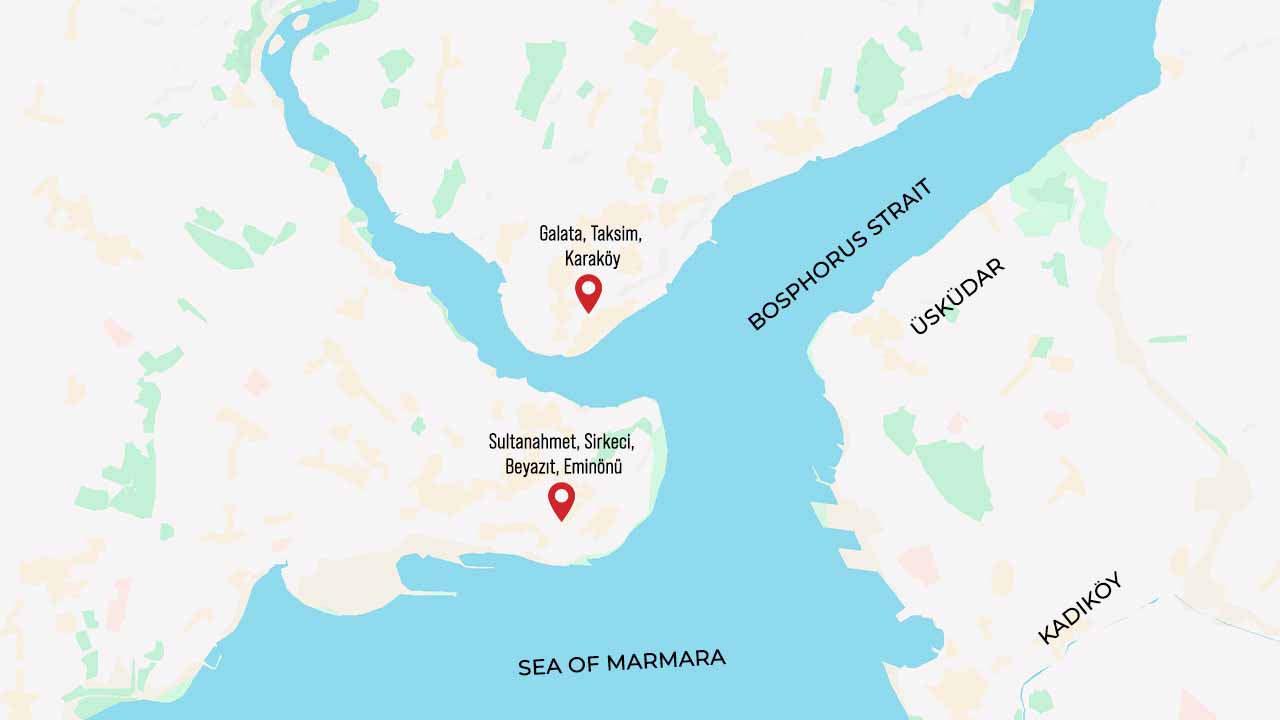
Choosing the right neighborhood shapes your entire trip. Here’s a quick breakdown of the best areas depending on what you’re looking for.
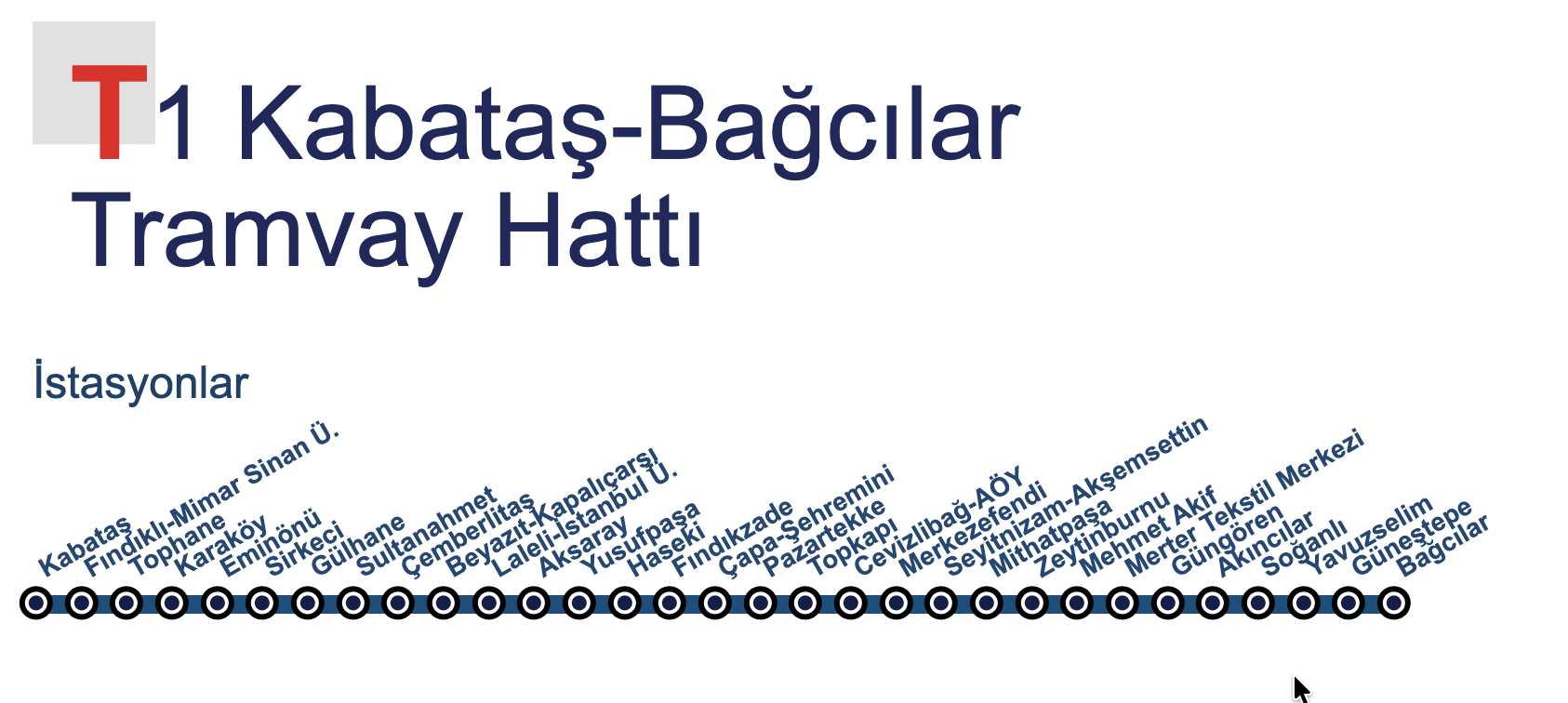
Sultanahmet (The Old City) is ideal for first-timers who want to be steps from the Blue Mosque and Hagia Sophia, and it’s well connected via the T1 Tram line.
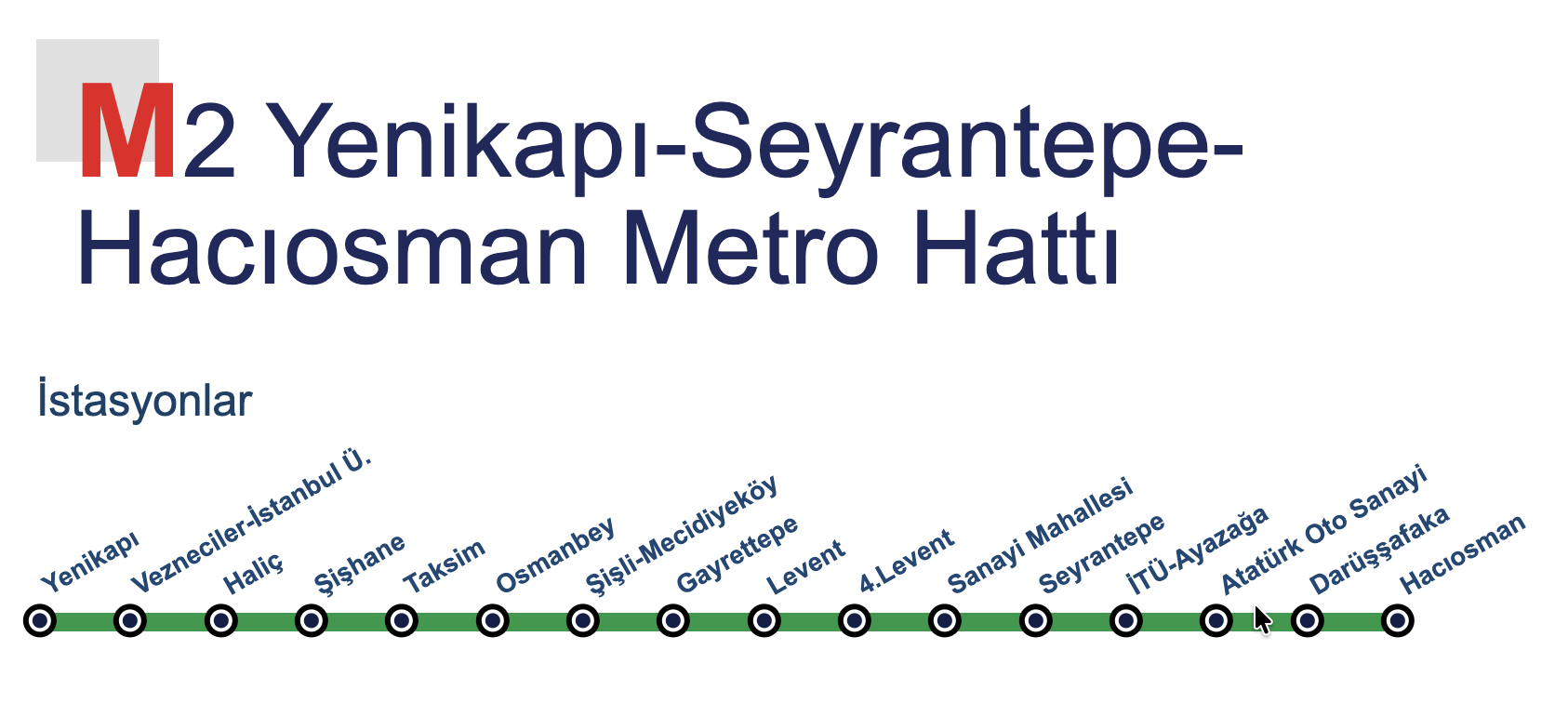
Beyoğlu & Taksim form the pulse of modern Istanbul, with nightlife, shopping, and galleries, served by the M2 Metro line.
Galata & Karaköy offer a trendy, boutique area with cobblestone streets and views of the Galata Tower, also accessible via the T1 Tram.
Kadıköy, on the Asian side, is known for its cafés, markets, and seaside lifestyle. It’s a great pick for travelers who’ve already seen the classic sights and want a more local experience, with easy ferry and Marmaray connections to the European side.
In short, choose a hotel near a T1 Tram or M2 Metro station to save time and avoid Istanbul’s notorious traffic.
Getting Around Istanbul
With a population of roughly 20 million, Istanbul’s biggest daily challenge is traffic. Public transportation is almost always your fastest option, and it’s one of the most important Turkey travel tips for first-time visitors.
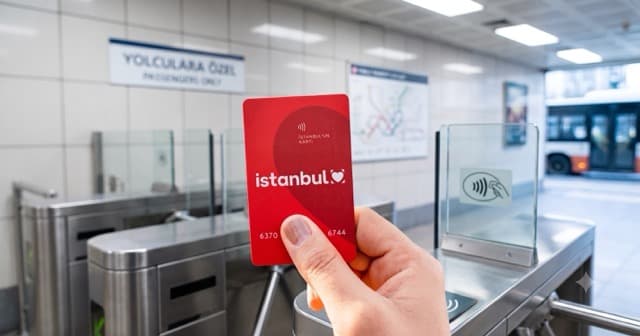
The Istanbulkart
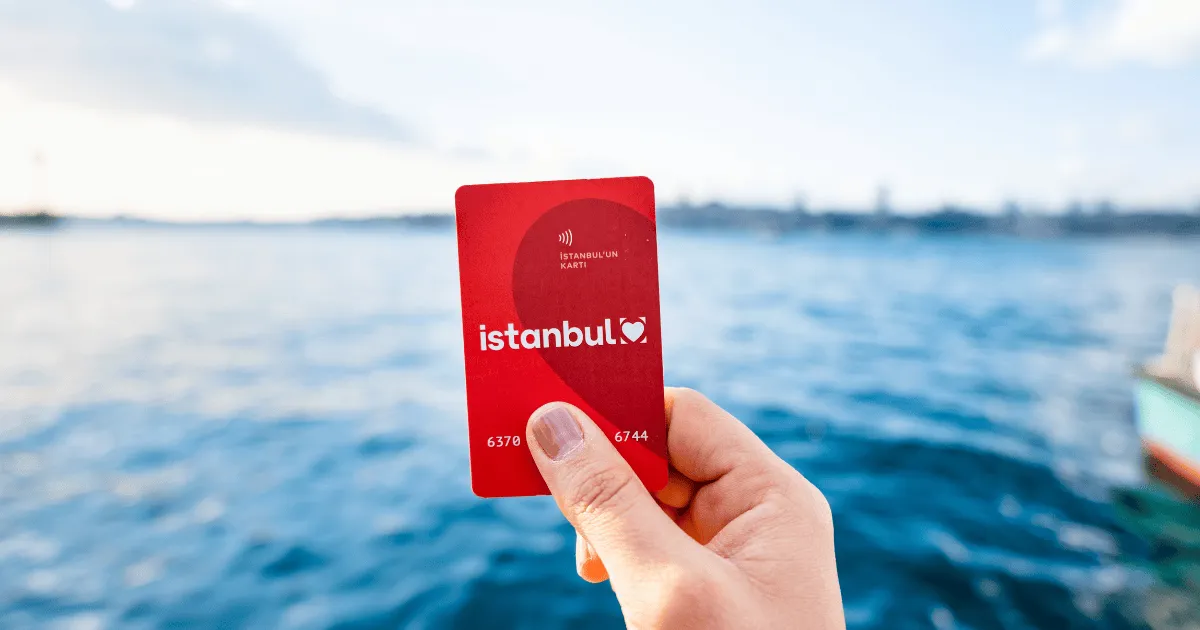
You’ll need this card to use the metro, tram, buses, and ferries. It’s available at machines in the airport and at major stations. There are two types of machines: blue ones, which usually accept credit cards, and yellow ones, which may not.
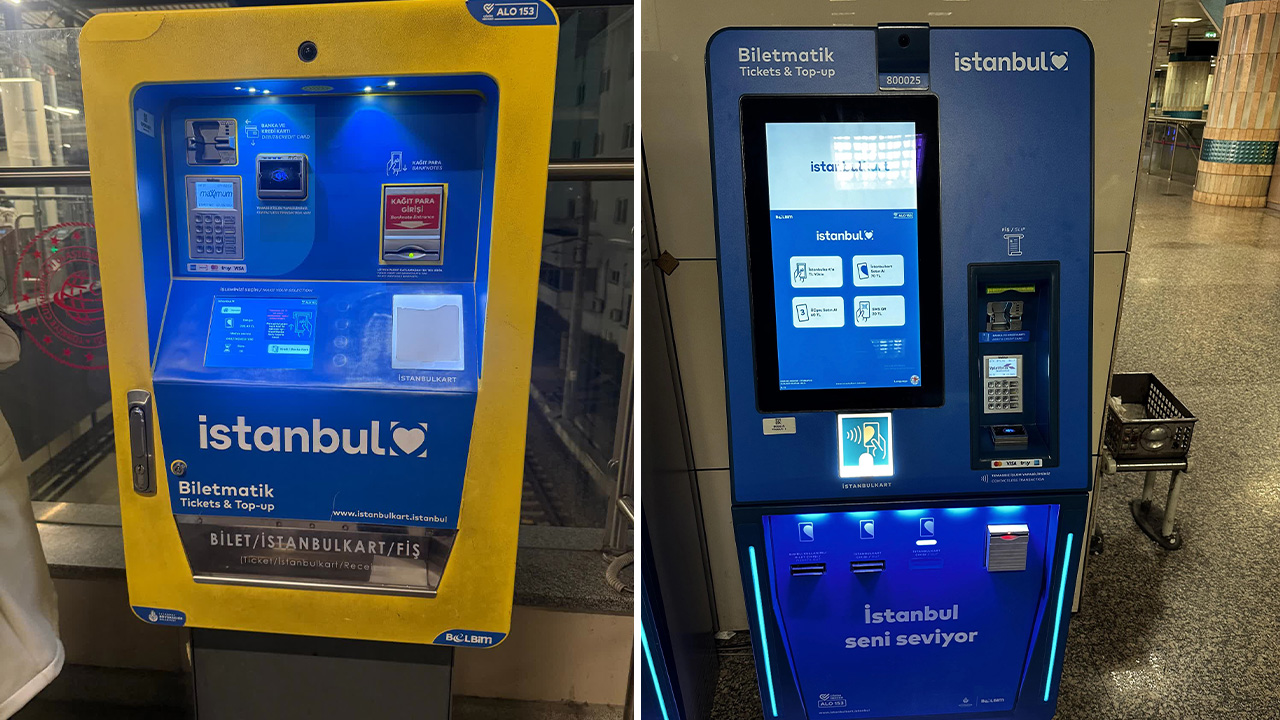
A word of caution: be careful around people near Istanbulkart machines who aren’t wearing official uniforms. A known scam involves “helpers” swapping your freshly loaded card for an empty one while assisting you.
Quick tip: Visa and Mastercard can be tapped directly on most trams and metro lines, though fares are slightly higher than paying with an Istanbulkart.
Key Lines to Know
- T1 Tram – the “sightseeing line,” connecting Sultanahmet (Blue Mosque & Hagia Sophia), Eminönü (Spice Bazaar), and Galata.
- M2 Metro – links Taksim Square, Şişli, and Levent.
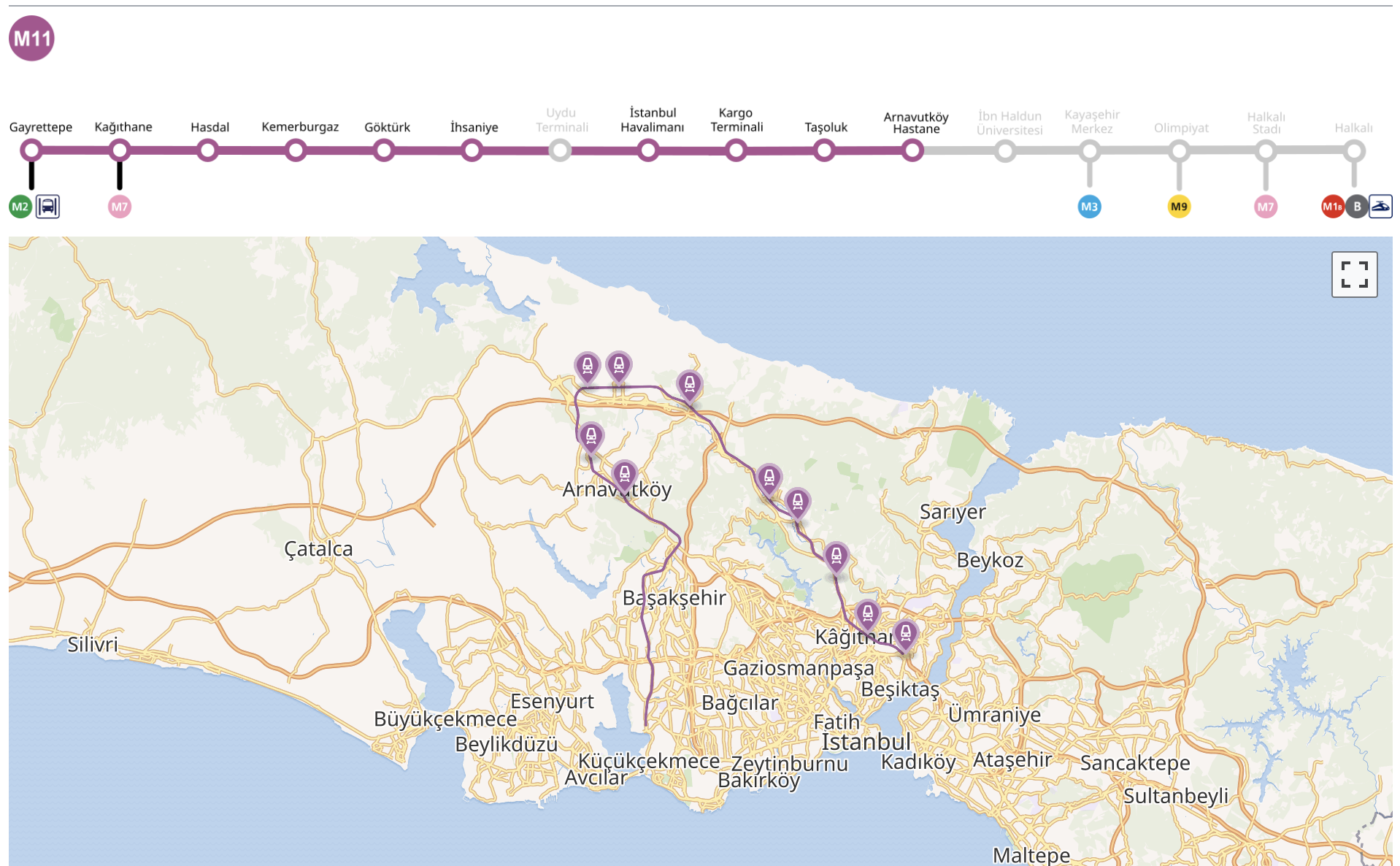
- M11 Metro – connects Istanbul Airport to the city, with access to Taksim, Şişli, and Levent via a transfer at Gayrettepe Station from the M2 line. This transfer involves some walking, so plan accordingly if you’re carrying heavy luggage.
Google Maps works well for tracking routes and schedules across the city.
Taxis
Always insist the driver uses the taximeter. For a safer, more transparent option, use Uber or the local app BiTaksi, both of which show an estimated fare before you book. Paying by credit card through the app also protects you if any dispute comes up later.
Money and Payments
The local currency is the Turkish Lira (TRY). Keep some cash on hand for smaller purchases, and exchange money at authorized exchange offices or banks — the Grand Bazaar is known for offering some of the best rates in the city. ATMs are widely available, and it’s worth notifying your bank of your travel dates in advance.
Carry a physical credit card rather than relying solely on mobile payments, as not every business accepts Apple Pay or similar services. Visa and Mastercard are accepted almost everywhere; American Express has more limited acceptance, especially in smaller shops.
Tipping in Turkey
Tipping isn’t mandatory in Turkey, but it’s appreciated. In restaurants, around 10% is standard if a service charge isn’t already included — always check your bill first. For private tours, tipping your guide and driver at the end of the day is common and optional, based on your satisfaction. Cash (Turkish Lira, USD, or Euros) is the usual way to tip guides, drivers, and hotel staff.
Bargaining: Where It’s Welcome and Where It’s Not
Bargaining is part of Turkish shopping culture, especially in markets like the Grand Bazaar and Spice Bazaar, as well as souvenir shops in tourist areas — though many now use fixed prices. It’s not appropriate, however, in high-end retail stores, restaurants, cafés, chain stores, or hotels.
A few practical tips: compare prices at a few shops before committing, don’t be afraid to walk away (a better offer often follows), and always confirm prices before ordering or entering a venue in busy tourist areas.
What to Wear in Turkey
Daily wear in Turkey is casual, and lightweight fabrics like cotton and linen are ideal for the summer heat. If your itinerary includes Istanbul, pack layers, since temperatures swing more there across seasons.
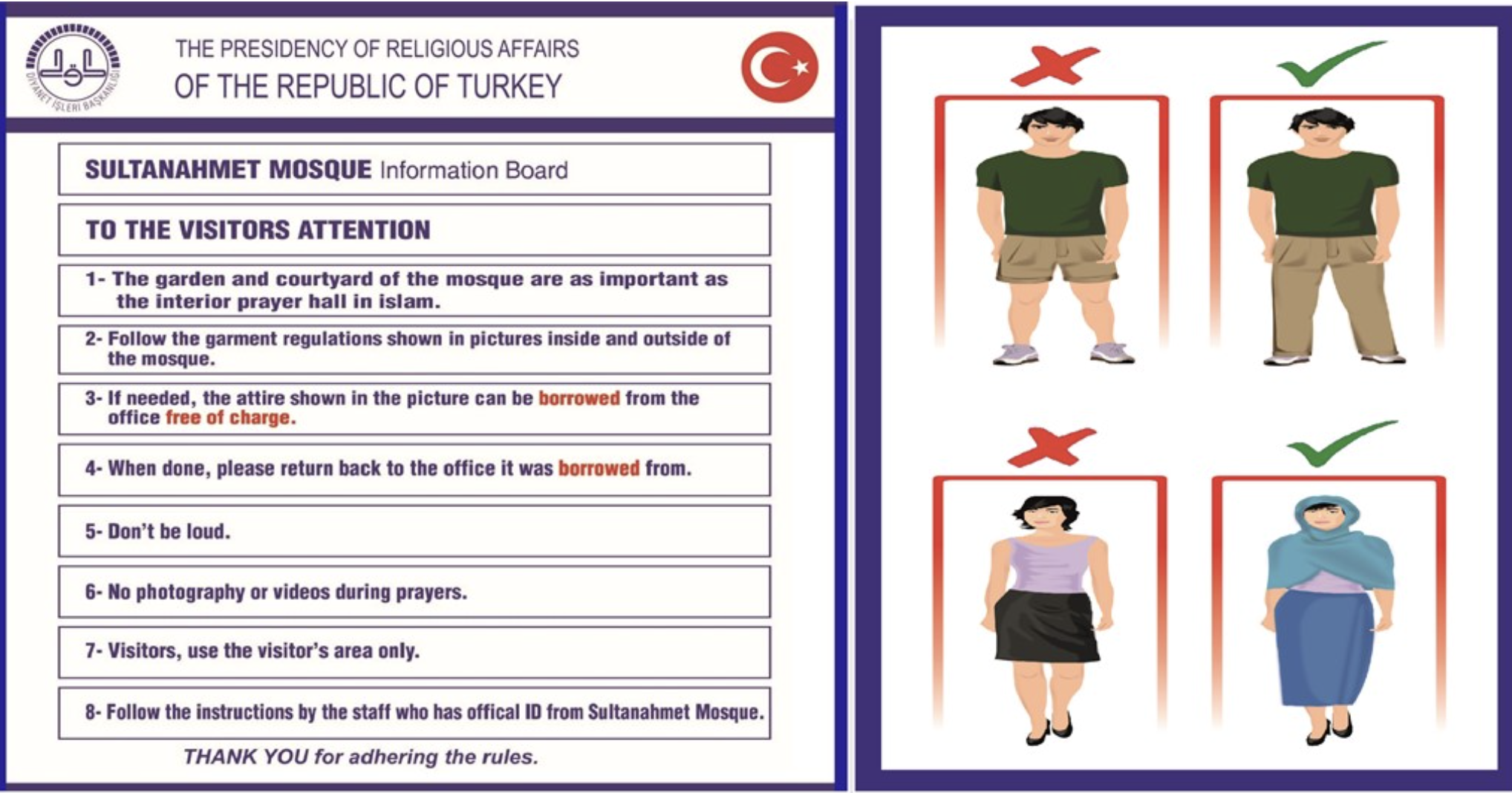
When visiting mosques, modest dress is required. Women should cover their hair, shoulders, and knees — a scarf is useful to bring along, though many mosques offer coverings for free or a small fee. Men should avoid shorts above the knee and sleeveless tops.
Quick tip: bring a small plastic bag for your shoes when visiting mosques, since shoes must be removed at the entrance.
Staying Safe in Turkey
Turkey is generally very safe, particularly in major tourist destinations like Istanbul, Izmir, Antalya, and Cappadocia. Standard travel precautions still apply: keep copies of your important documents, stay alert in crowded areas, and never leave belongings unattended.
Emergency Numbers
- General Emergency: 112
- Police: 155
- Ambulance: 112
- Fire Department: 110
Dialing 911 will also redirect you to local emergency services.
Tap Water, Toilets, and Health
Tap water in major cities is treated and technically safe, but many travelers prefer bottled or filtered water, which is inexpensive and widely available. Public toilets can be found in tourist areas and mosque complexes; carrying tissue paper and hand sanitizer is a good habit, since not all facilities provide them, and many charge a small fee.
Turkey’s healthcare system is solid in major cities, but private hospital costs for tourists can add up. Travel insurance is worth having, both for medical coverage and for protection against trip cancellations, lost luggage, or delays.
Electrical Outlets
Turkey uses Type C and Type F outlets at 220V. Bring the right adapter, and double-check the voltage rating on items like hair straighteners, since not all are built for 220V. Laptops, phones, and tablets typically run on universal voltage and won’t need a converter.
Best Time to Visit Turkey
Winter (Dec–Feb): cooler across the country, with snowfall in higher elevations and ski season in full swing. Coastal areas stay milder.
Spring (Mar–May): mild, blooming, and ideal for sightseeing — a favorite season for exploring historical sites.
Summer (Jun–Aug): hot nationwide, perfect for the coast and beach destinations.
Autumn (Sep–Nov): cooling temperatures and scenic colors, great for cultural exploration without the summer crowds.
Religious and National Holidays
Turkey observes major religious holidays — Eid al-Fitr (Ramazan Bayramı) and Eid al-Adha (Kurban Bayramı) — along with national holidays like April 23 (National Sovereignty & Children’s Day), May 19 (Youth & Sports Day), and October 29 (Republic Day). These dates can mean heavier domestic travel and crowded transportation, so it’s worth checking the Turkish Ministry of Culture calendar before finalizing your itinerary.
A Few Useful Turkish Phrases
- Merhaba – Hello
- Teşekkür ederim – Thank you
- Evet / Hayır – Yes / No
- Lütfen – Please
- Ne kadar? – How much is it?
- Hesap lütfen – The bill, please
Locals genuinely appreciate the effort, even just a few words.
Make the Most of Your Time with a Private Tour
Turkey rewards travelers who go beyond the checklist of famous sights — and having a knowledgeable local guide is the easiest way to do that. At Reminder Tour, we design private, fully customized itineraries across Istanbul and Turkey based on your pace, interests, and budget, along with experiences like Bosphorus dinner cruises, Turkish bath visits, food tours, and whirling dervish ceremonies.
Even a single private day tour at the start of your trip can save you time, help you avoid common tourist mistakes, and give you a real feel for the city before you set off on your own. Browse our private Istanbul tours or get in touch for a custom itinerary built around these Turkey travel tips.
Tours for your trip
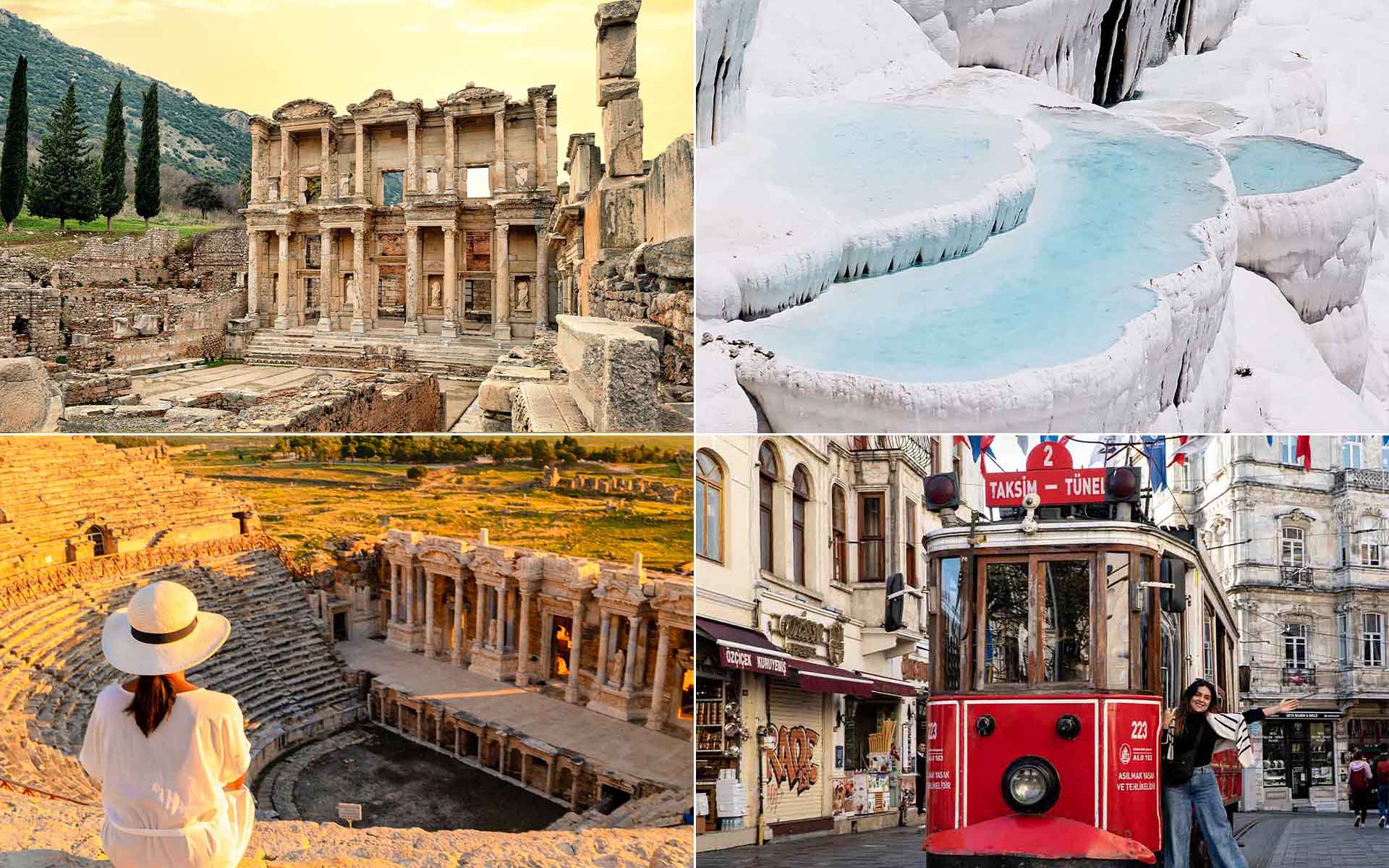 Bestseller
8-Day Private Tour – The Best of Turkey
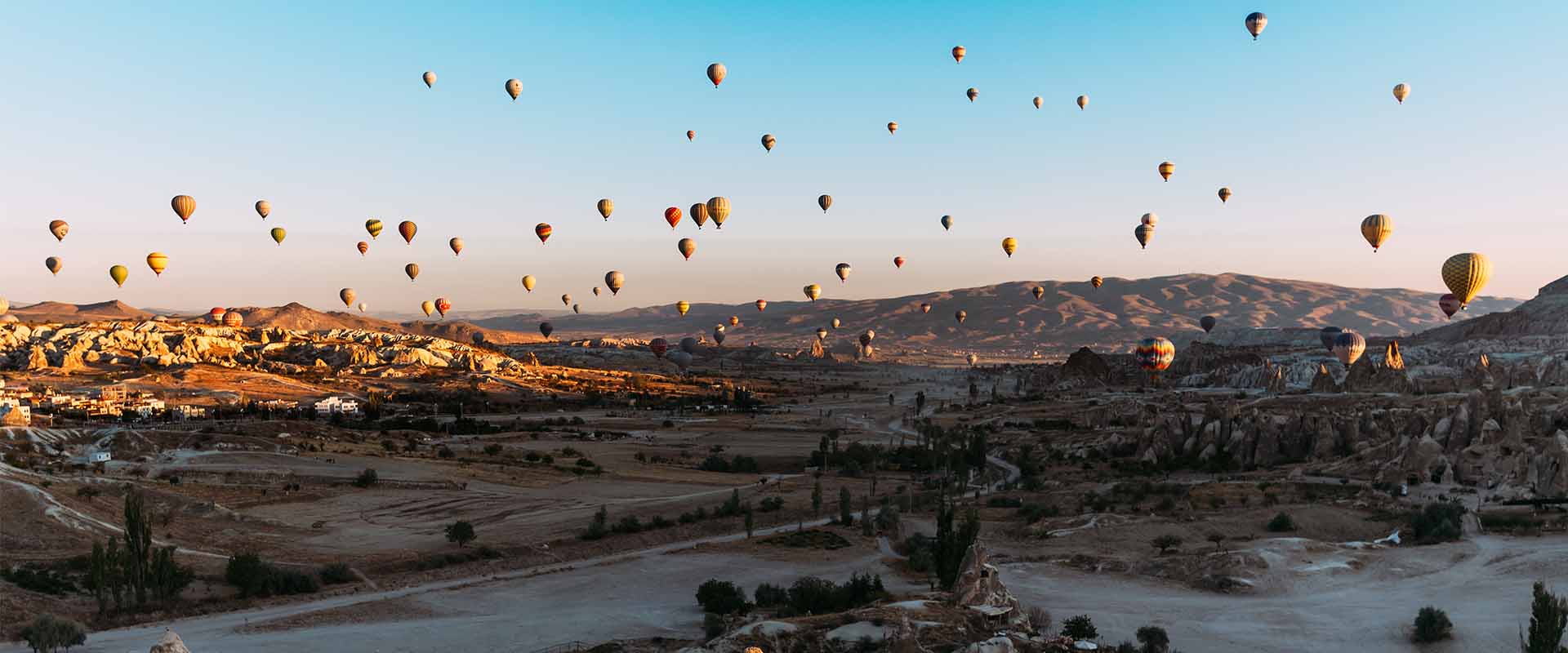
Cappadocia Day Tour from Istanbul
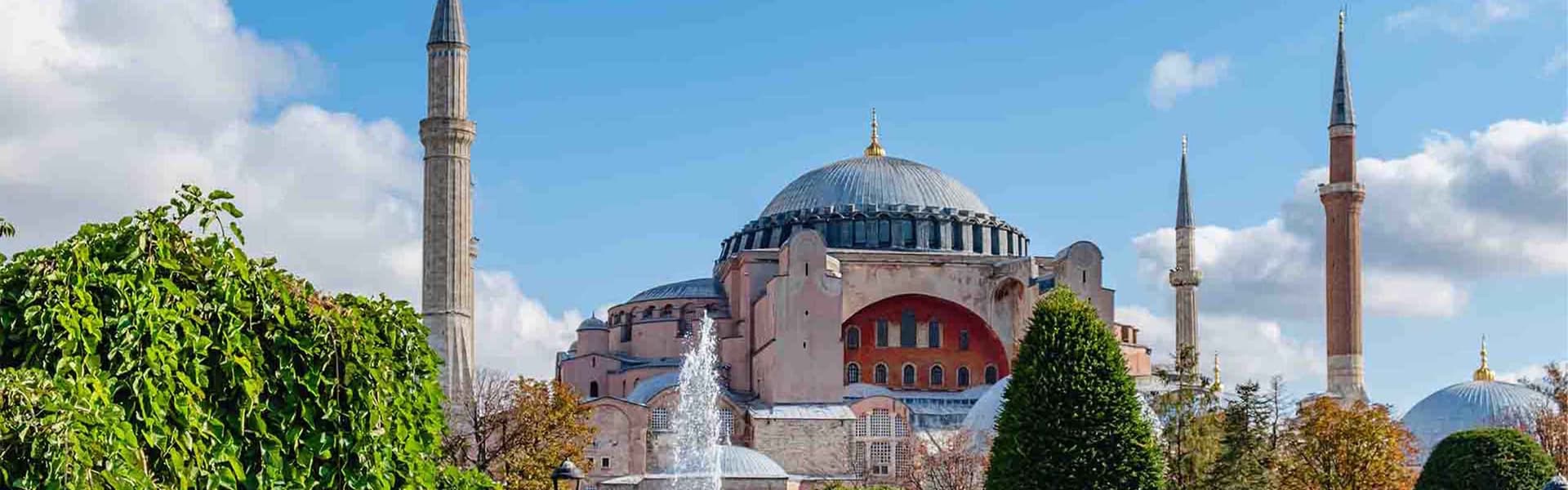 Bestseller
Istanbul Classical Tour
Keep reading
Istanbul Scams: What Every Tourist Must Know
Istanbul is one of the most visited cities in the world and for good reason. The history, the food, the skyline, the energy: it’s genuinely extraordinary. But like any major tourist destination, it has its share of oppor
How to Use the Istanbulkart: A Complete Guide
If you’re heading to Istanbul, learning how to use the Istanbulkart is one of the first things you should figure out. This small card is the key to almost every form of public transport in the city — metro, tram, bus, fe
The Beauty of the Bosphorus
When the view embraces the Bosphorus you receive a cupid’s crush that intoxicates you in its journey, highlighting the mysterious Kız Kulesi or Leander Tower on a small island between Europe and Asia and the silhouettes